
Storylab The 3-hour workshop · Photographers & videographers

You know your camera. This is the part nobody taught you.

Anyone can make it look good now. Almost nobody can make it mean something.

Storylab is three hands-on hours in the craft of story — finding it, capturing it, cutting it — taught on Nikon Z Cinema by a director whose work has reached hundreds of millions of people.

Presented with Nikon RED Digital Cinema

Storylab Film school, in a room near you

The only high-level film school that comes to you.

Storylab is the most comprehensive professional story training in Australia — and anywhere in the world. Film-school depth: story, camera, lighting and edit, taught hands-on, on the gear you already own.

Run by a team whose work has reached hundreds of millions of people, and who still shoot it for a living.

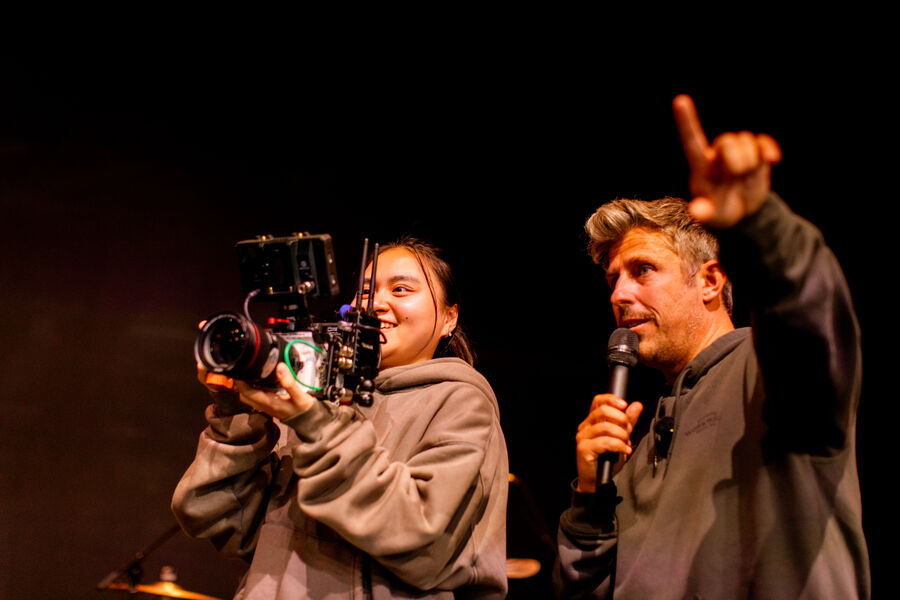
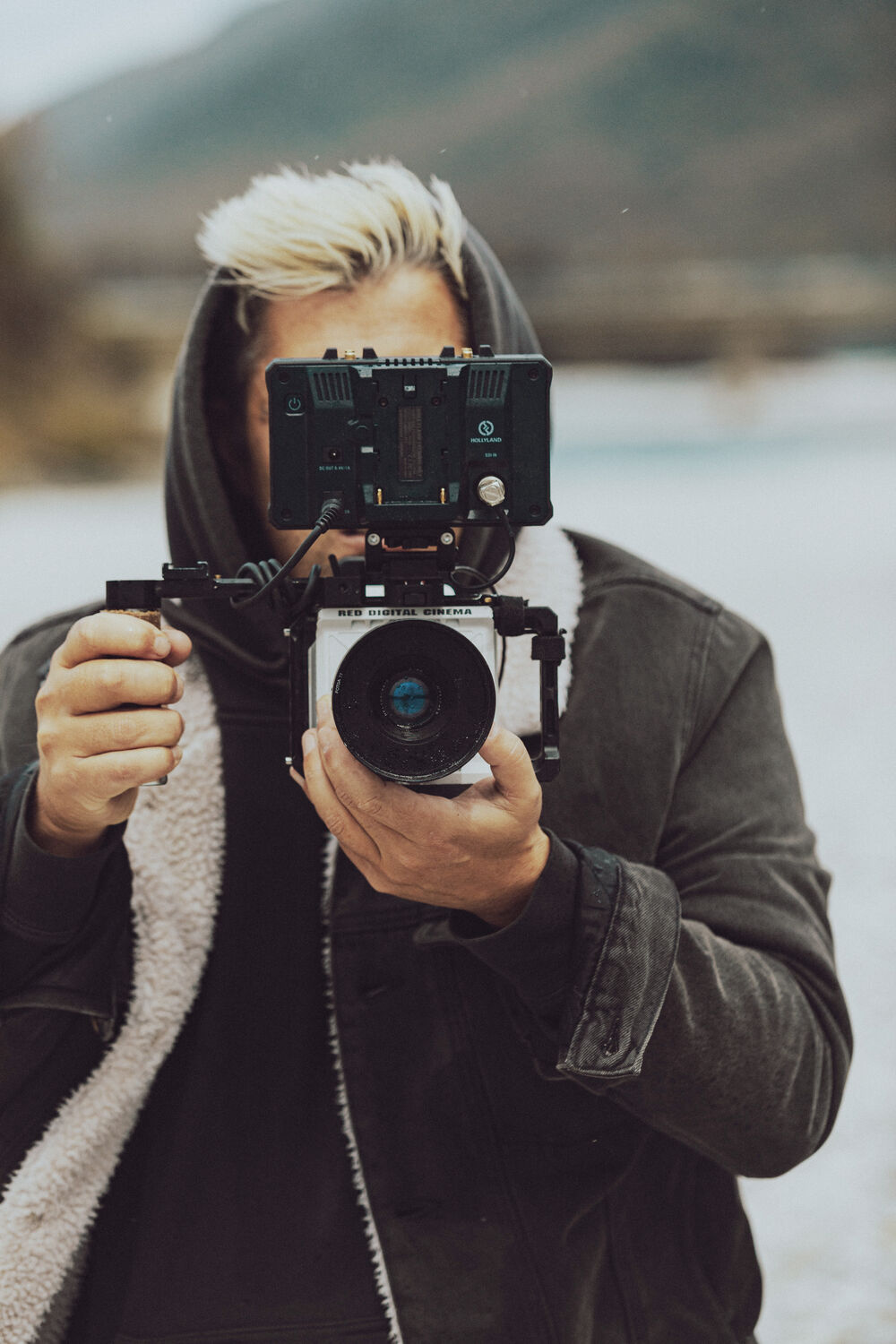
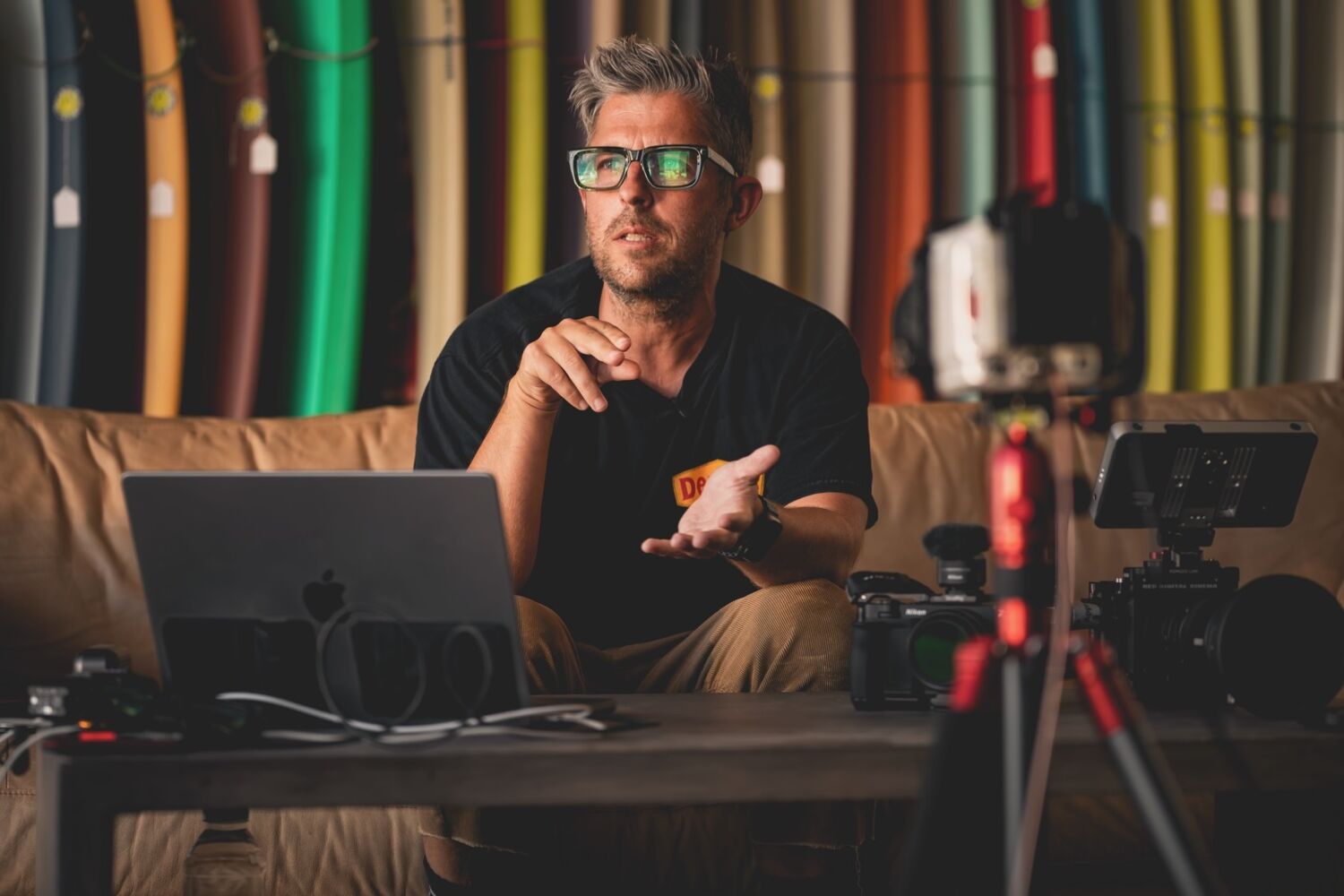
Directing a student behind a cinema camera
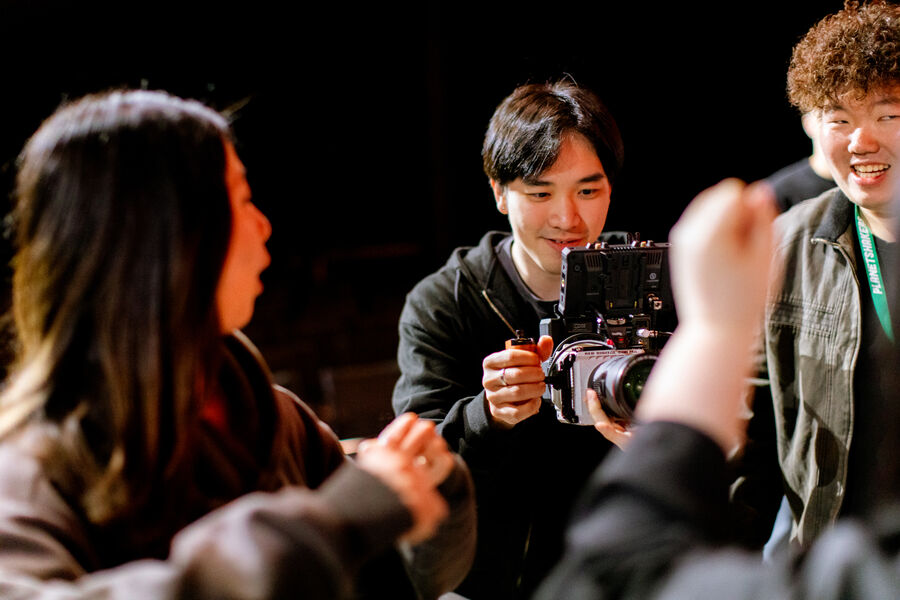
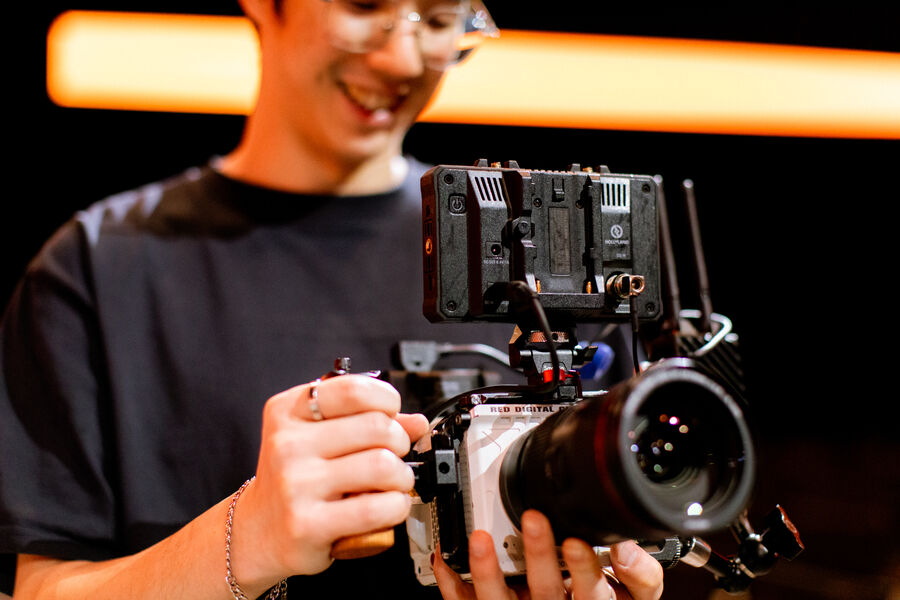
A student filming an interview setup
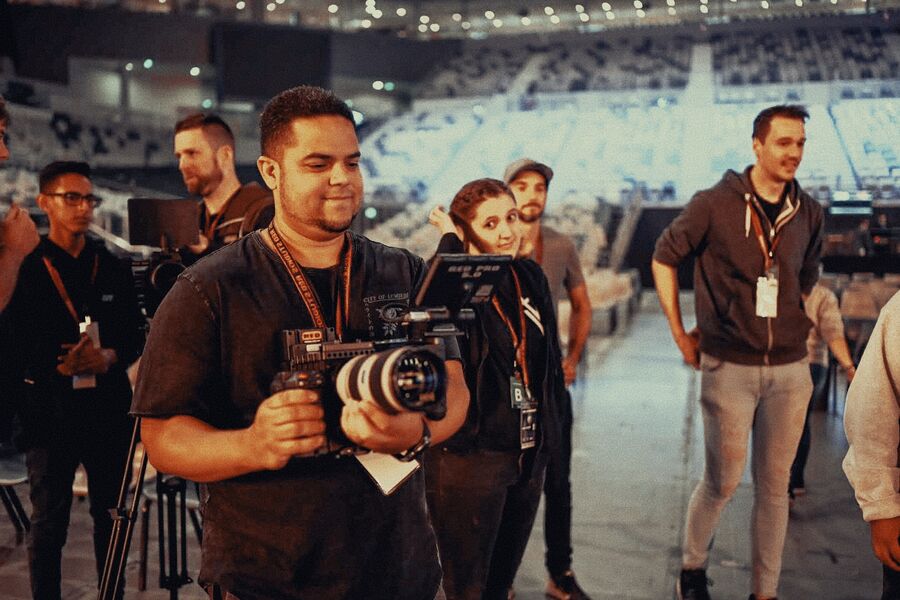
Crew on the floor at a RED workshop
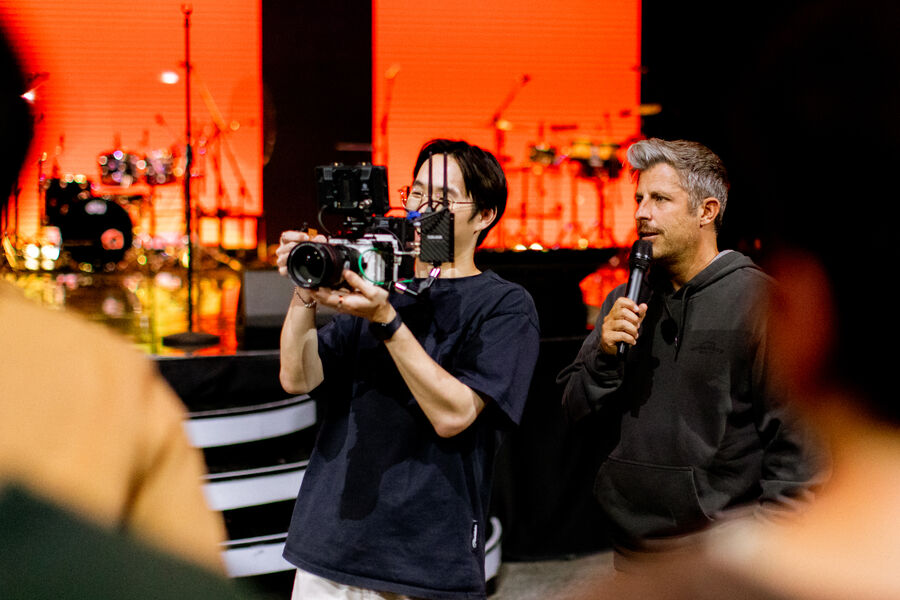
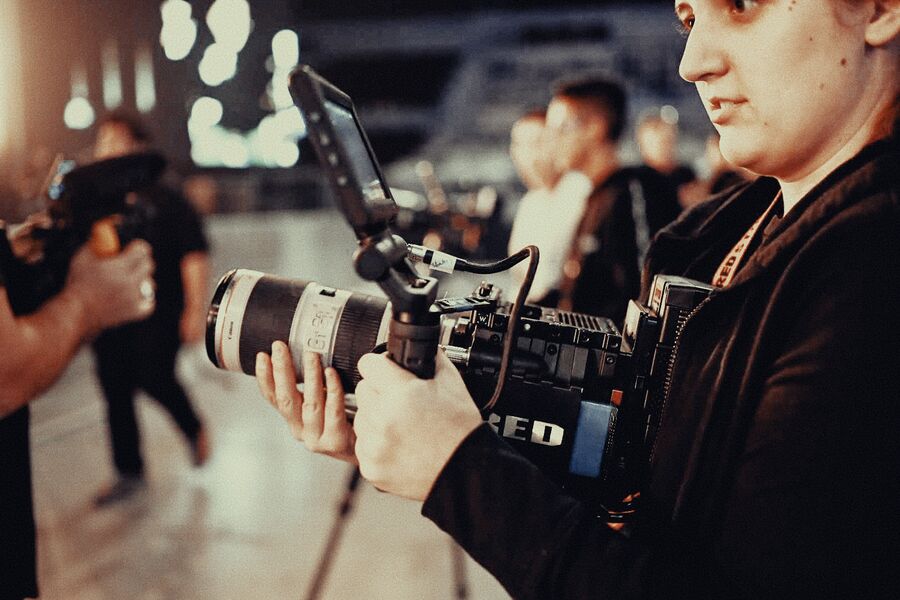
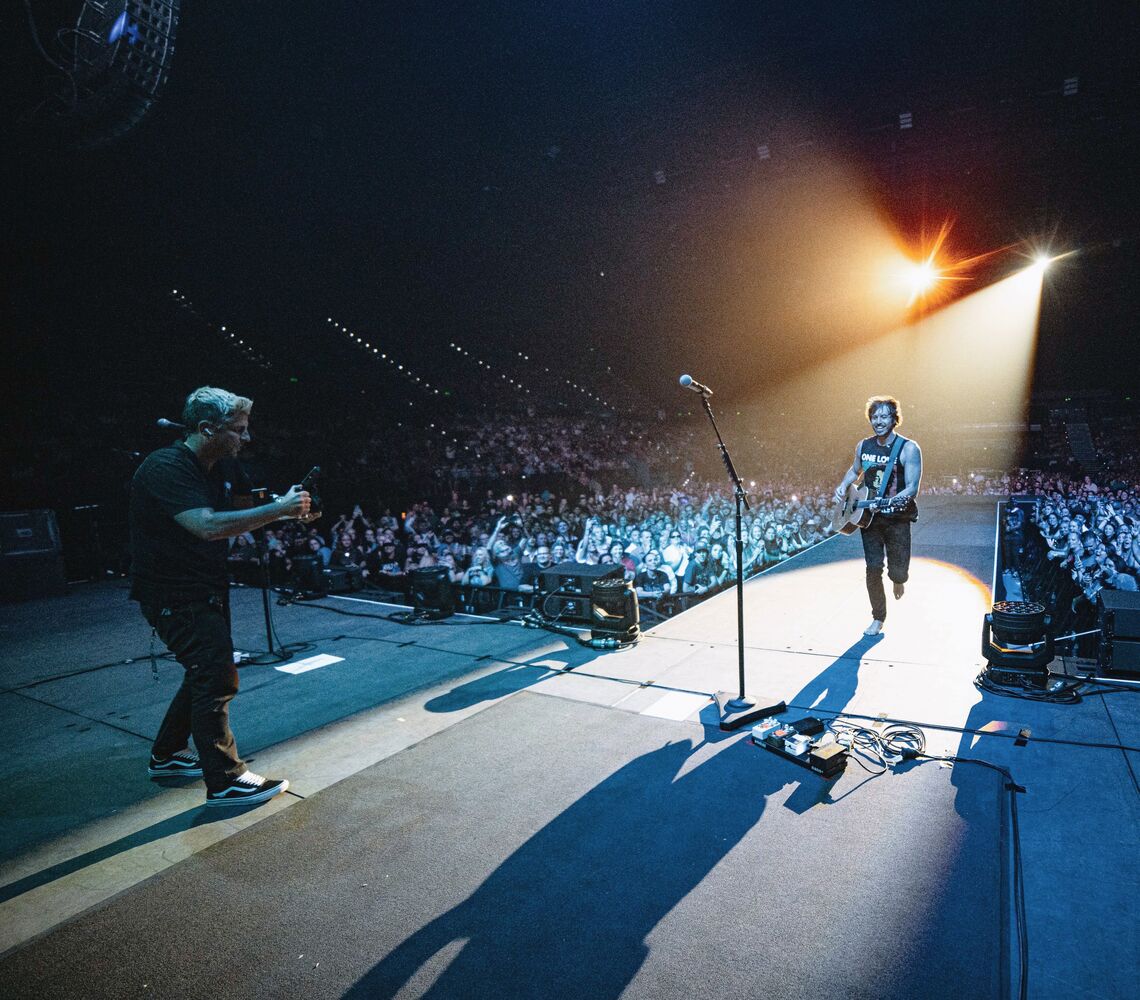
Filming on stage during a training day
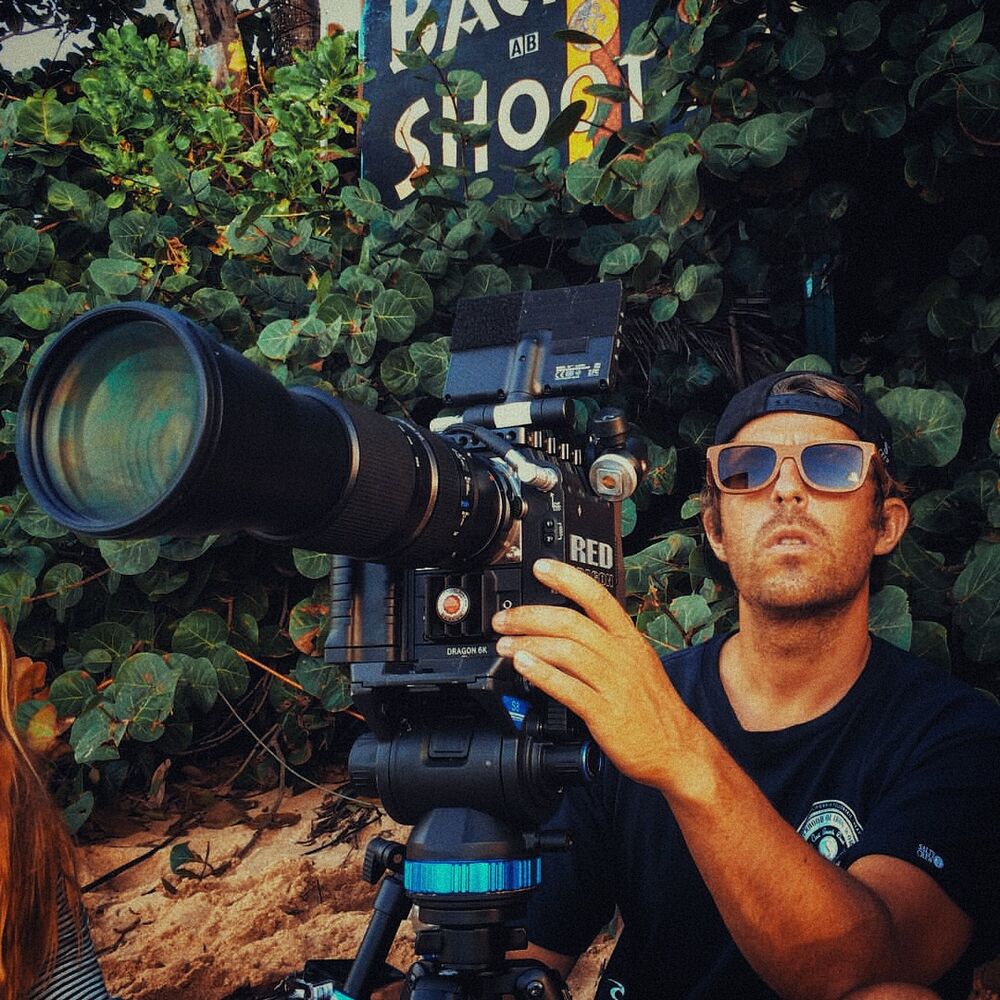
Close on a camera build during the workshop
A student rigging a cinema camera
Directing a student behind a cinema camera
A student filming an interview setup
Crew on the floor at a RED workshop
Filming on stage during a training day
Close on a camera build during the workshop
A student rigging a cinema camera
Inside the workshop · hover to pause
01 — The problem nobody names

Everything looks good now.

The gear got cheap and the tutorials got good. Every shooter in your city can nail exposure, pull focus and drop a filmic grade on it — and clients can see that, which is why the quotes keep getting compared like they're the same product.

So the work is technically excellent and completely forgettable. Beautiful frames, tight cuts, nobody watches past nine seconds. The one thing that was never commoditised is the thing almost nobody was taught: what to point it at, and why anyone should care.

Craft is the entry fee now. Story is the only thing left that's scarce.

Someone looking up from their phone
02 — What story is worth

Why this is a business decision, not an art one.

Story is usually sold as the soft part of the job. It's the opposite — it's the part that decides what you can charge, who comes back, and whether the work survives the week it was posted.

01
Craft is the entry fee. Story is the margin.

Every year the gear gets better and cheaper, and technically excellent work gets more common. The one thing that hasn't commoditised is knowing what to point it at and why.

02
A brief is not a story.

Most clients hand over a list of things to include. The job they're actually paying for is the thing they can't articulate — the reason someone should care. Deliver that and you're not a supplier any more.

03
The best work outlives the campaign.

Content is measured in weeks. A story gets sent to someone. It's the same camera, the same day rate, and a completely different shelf life.

03 — Why story moves people

This isn't taste. It's neuroscience.

When something is built as a story instead of a summary, the brain does something measurably different with it — it stays, it trusts, and it acts. Three findings sit underneath everything we teach.

Attention
Narrative transportation

Get someone lost in a story and their own world goes briefly quiet — and attitudes shift further than any argument can move them. Green & Brock, 2000.

Empathy
The oxytocin response

A character in real struggle releases oxytocin, the neurochemical behind empathy and generosity. In Paul Zak's lab, viewers who felt a father's story gave away part of their earnings.

Connection
Neural coupling

During a well-told story, the listener's brain activity synchronises with the teller's. Hasson, Princeton. Nothing about a good-looking shot does that.

Why one story beats a thousand beautiful frames

A film with a real before, a real turn and a real after is the exact arc that triggers all three at once. That's the whole reason a modest camera in the hands of someone who understands story out-performs a cinema rig in the hands of someone who doesn't — and it's why the shape is teachable. It's a process, not a gift.

Sources: Green & Brock 2000 (narrative transportation); Zak, Claremont (oxytocin and narrative); Hasson, Princeton (speaker–listener neural coupling). The mechanism is real — Storylab is built to trigger it on purpose.

Peter John at workPeter John at workPeter John at workPeter John at workPeter John at work
Who's teaching this

Peter John has spent his whole career on the story.

Producer, director, filmer, and editor. 25 years refining the craft of story, and a RED Digital Cinema trainer and ambassador. A billion views and millions of comments — a bucket load of data on what works and what doesn't when it comes to creating stories that reach and transform.

Storylab is the process behind that work, taught to the people who want their own to reach further than it does now.

Cine Artistlabs · Est. 2026 — Epik Films 2000–2026
PlanetshakersCentral ChurchChristian Surfers AustraliaThe Transformation NetworkCFS HealthThe Paper KitesMorgan EvansSimple PlanNew EmpireRach Lynch (Hockey Gold Medallist)Compound Surf & Drink CoffeeRandy HouserPlanetshakersCentral ChurchChristian Surfers AustraliaThe Transformation NetworkCFS HealthThe Paper KitesMorgan EvansSimple PlanNew EmpireRach Lynch (Hockey Gold Medallist)Compound Surf & Drink CoffeeRandy Houser
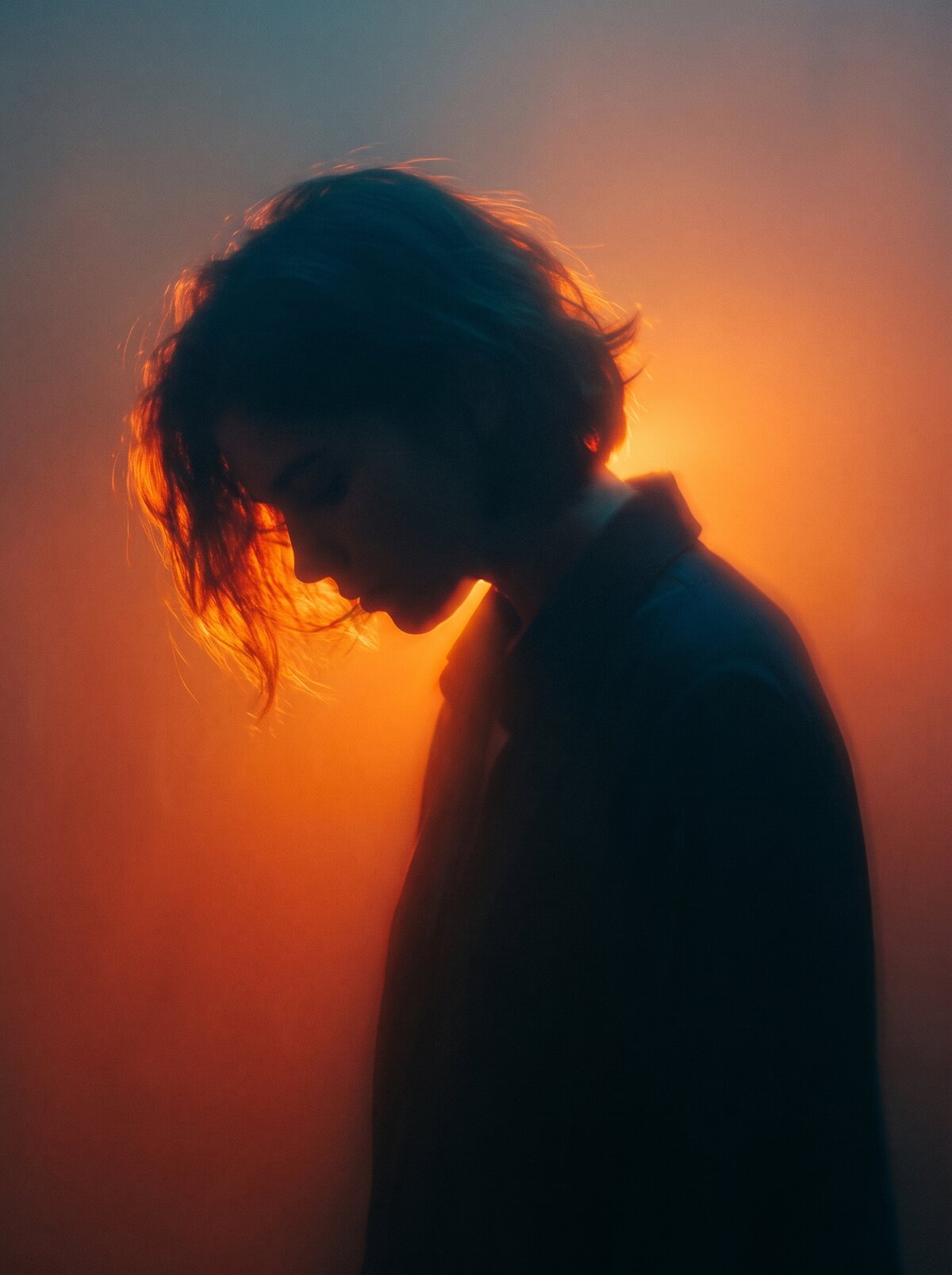
A creative with their head bowed, backlit
The heart behind it

Burnt-out creatives are the reason this exists.

Most working shooters are self-taught, undercharging, and quietly convinced the problem is that they aren't hustling hard enough. They're carrying a client list, a delivery deadline and a calling all at once — with nobody above them to learn from.

Peter has spent fourteen years in those rooms. The work he cares most about now isn't another film — it's mentoring the people behind the camera: helping them find a simpler way to work, get the craft properly under their hands, and remember why they picked it up in the first place.

Fewer things, made well, by people who aren't running on empty.

Storylab 04 — The workshop

Three hours. The whole process, under your hands.

Not a keynote and not a gear demo. The Storylab Workshop is a working session — you find a story, build the interview, shoot it, and cut it, on the same shape you can run on every job afterwards.

The story shape behind work that actually moves someone
The full sit-down interview setup on Nikon Z Cinema — light, frame, sound
Interview technique that gets a real moment, not a rehearsed one
Editing for the hook — the first seconds that decide everything
A repeatable process you can run on any job, on any kit
How the three hours run
01
45 min

The story shape

Before a camera comes out. The arc underneath every film that holds someone — who to point it at, the questions that get past the rehearsed answer, and the shape you can plan before every shoot.

02
75 min

The capture

Hands-on, on Nikon Z Cinema. The full sit-down interview build — lighting a face so it feels like film, framing, sound — and the technique that draws out a real moment instead of a prepared one.

03
60 min

The edit

Cutting for the hook. The first seconds that decide whether anyone keeps watching, how the story gets assembled, and the finish that carries it all the way to the end.

Runs
3 hours, hands-on
Presented with
Nikon Z Cinema
Who it's for
Working photographers and videographers
Bring
Your own camera — every principle transfers
The kit

Taught on Nikon Z Cinema.

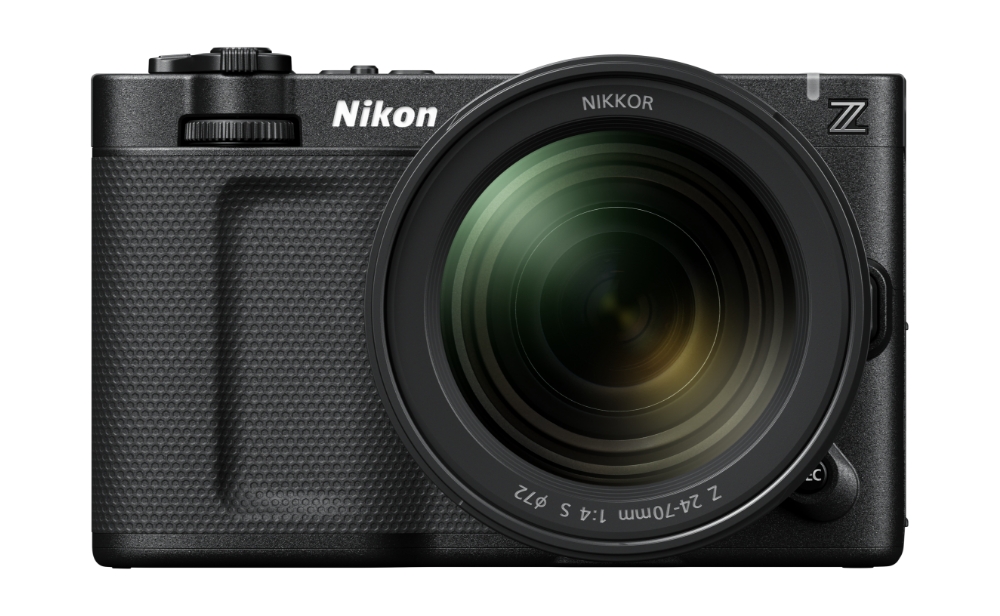
The interview setup we build is taught on Nikon Z Cinema bodies — compact cinema cameras carrying RED's colour science. Peter is a RED Digital Cinema trainer and ambassador, and shot Backstage to Broadcast on fourteen REDs.

  • Hands on the bodies for the full session, not a demo table
  • Cinema colour science, straight out of camera
  • Every principle transfers to the gear you already own
Nikon
Nikon ZR cinema camera with Nikkor Z 24–70mm lens
Z Cinema with RED
After the workshop

What it's worth once you have it.

You stop competing on price

Anyone can sell footage. Almost nobody can sell a film that makes the client's audience feel something — and that work isn't quoted the same way.

You win the pitch in the room

Clients can't brief a look, but they know a story when they hear one. Walking in with the shape is what separates you from the three other reels.

The work gets finished, not scrolled

Story is what holds someone past the first three seconds. It's the difference between a beautiful edit and one people actually watch to the end.

Clients come back

A film that moved someone gets remembered by the person who commissioned it. Retention beats lead generation, every year.

You shoot faster

Knowing the shape before you arrive means fewer setups, less covering yourself, and far less to fix in the edit.

Your own work gets its voice back

The reason you picked up a camera. The craft under your hands again, on the projects nobody is paying you for.

What they say

Trained by us.

I came from a DSLR thinking I was killing it. Pete put a RED in my hands, walked me through all of it — then taught me the real lesson: it's not what or how, it's the why.
Mitch Loveday Mitch LovedayMakker Studios · Sunshine Coast, Australia
I quit film school after two weeks. On location with Pete — a RED in my hands, real shows, real access — I learned more than I ever would have in years of classes.
Sam Harvey Sam HarveyHarvey Creative · New South Wales, Australia
I came in as a musician — media was just a side hobby. I walked out with skills that crossfade straight into my music, and connections you can't get anywhere else.
Isaac Ayres Isaac AyresDJ · Ocean Grove, Australia
Before the workshop our church media was fumbling for direction. Pete answered the questions that were holding us back — and pitched it so the whole team could move forward together.
Laurent LaurentCasey City Church · Melbourne, Australia
I quit my job as a primary teacher to pursue filming and needed guidance. Pete's consulting at Cine Artistlabs was exactly what I needed. He stripped away the noise and helped me finally own my worth, packaging my unique style into something the world actually wants to buy. 10/10 would take the leap again.
Pete Davis Pete DavisPete Studios · Ocean Grove, Australia
Storylab Book it
Get the shape under your hands.

Tell us what you shoot and where you are. We'll come back with the next session near you — or what it looks like run privately for your studio or team.

Before you ask

Questions, answered.

A hands-on three-hour intensive in the craft of story — finding it, the sit-down interview setup and technique that captures it, and the edit that makes it land. You leave with a repeatable process, not a folder of presets.

Working photographers and videographers who can already operate a camera and want the part nobody teaches. If you shoot weddings, brands, music, docs or commercial work and your edits look good but don't move anyone, this is the gap.

No. We teach the interview build on Nikon Z Cinema because the colour science makes it easy to see what good looks like — but every principle transfers to whatever you already own. Bring your own body if you'd rather work on it.

No. We don't spend the three hours on exposure triangles. It assumes you know your camera and takes you into story, direction and the edit — the things that separate a technician from a filmmaker.

Nikon-hosted sessions in each city, plus private sessions for studios, agencies and in-house teams who want it in their own building. Tell us which you're after below.

It depends on whether you're joining a city session or booking one privately for your team. Tell us what you're after below and we'll come straight back with dates and a price.

Storylab

Not a photographer or videographer? There's a Storylab for your room too.

Find your Storylab →

Want the long version? Three residential days in Rote, Indonesia →